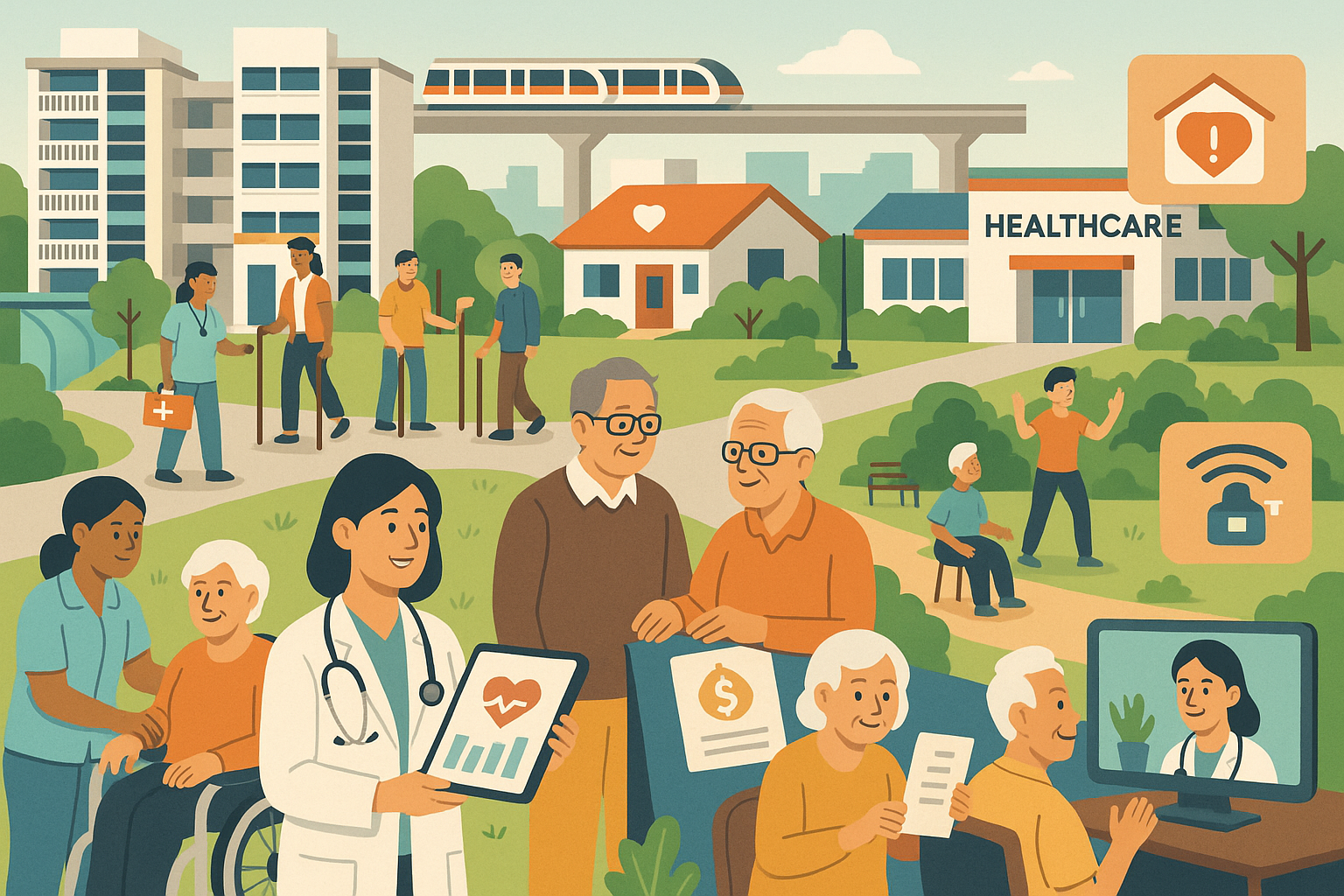

In recent years, Singapore has placed digital innovation at the centre of its health policy, viewing technology as a powerful tool to enhance efficiency, safety, and patient experience. The country’s Smart Nation vision extends deeply into healthcare, reshaping how information is collected, shared, and used.
One of the cornerstone initiatives is the National Electronic Health Record (NEHR). This system allows authorised healthcare providers to access key parts of a patient’s medical history—such as diagnoses, medications, allergies, and test results—across different institutions. When a patient moves from a GP to a specialist or from a private clinic to a public hospital, their information can follow them, reducing the risk of errors and repeated tests.
Digital tools also support care coordination and patient engagement. Many providers offer online portals and mobile apps where patients can book appointments, receive reminders, view laboratory results, and manage medication schedules. Teleconsultations have become more common, enabling remote follow-up for stable chronic patients or those with mobility limitations. These innovations help free up in-person capacity for more complex cases.
Singapore is increasingly using data analytics to guide policy decisions. De-identified data from clinics, hospitals, and public health programmes are analysed to reveal patterns in disease prevalence, service utilisation, and treatment outcomes. This information helps authorities identify populations at higher risk, measure the impact of interventions, and allocate resources where they will have the greatest effect.
Digital health technologies are also being used in the community. Wearable devices and home monitoring tools enable patients to track indicators like physical activity, blood pressure, or blood glucose. Some programmes allow readings to be transmitted to healthcare teams, who can intervene early if warning signs appear. This supports the broader goal of shifting care from hospitals to homes and communities.
Cybersecurity and privacy protection form an important part of policy. Regulations and technical safeguards are implemented to protect patient data from unauthorised access and breaches. Training for healthcare staff includes guidance on handling digital information responsibly. Maintaining trust in digital systems is crucial for their widespread adoption.
The integration of digital solutions into Singapore’s health policy is not seen as a replacement for human care but as an amplifier of efficiency and quality. By combining technology, sound governance, and a focus on patient needs, Singapore aims to create a health system that is responsive, data-informed, and sustainable in the long run.