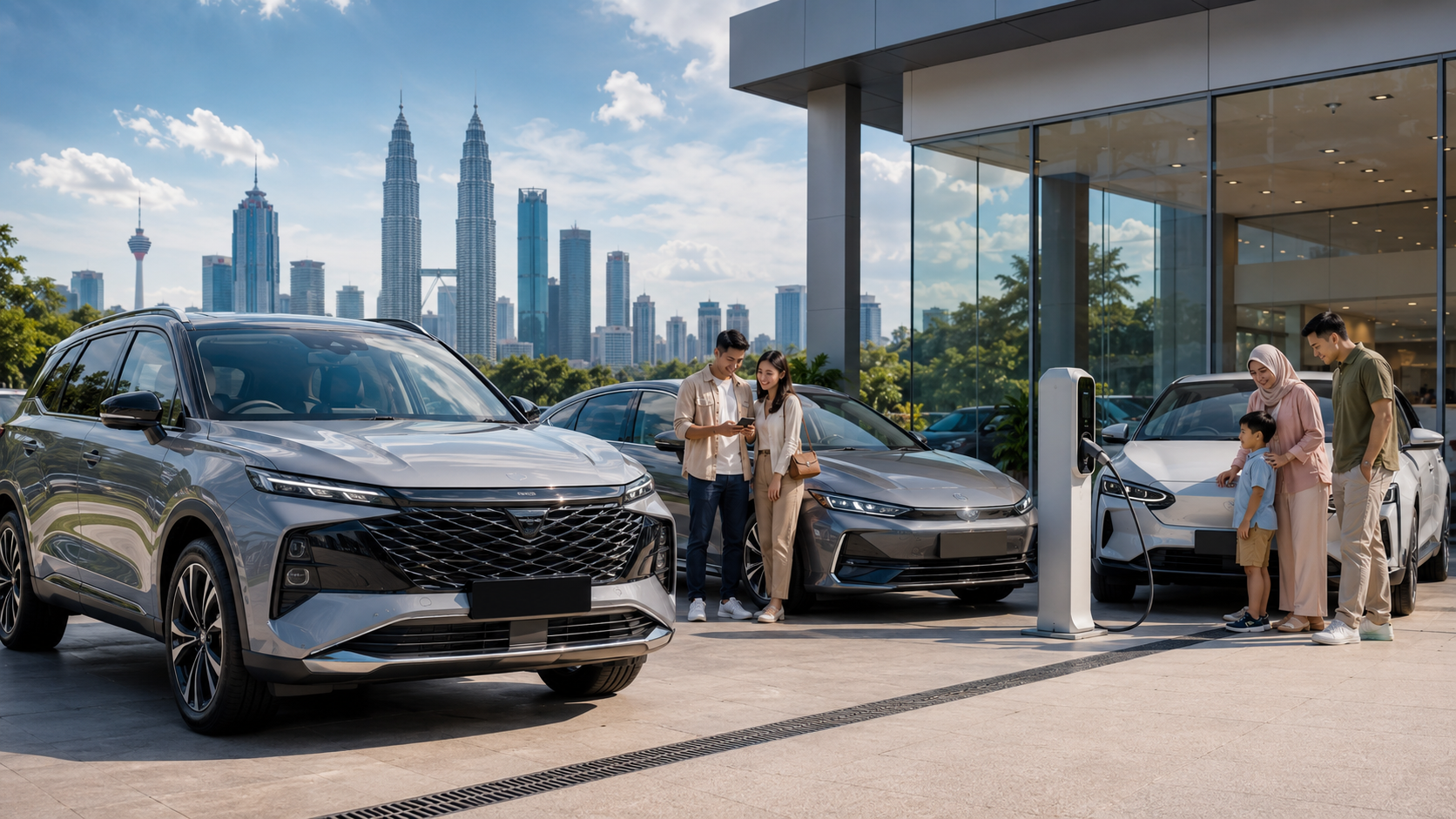

Malaysia’s automotive market is experiencing a major shift as consumer expectations evolve alongside advances in vehicle technology. For many years, Malaysian buyers primarily focused on affordability, fuel efficiency, reliability, and maintenance costs when choosing a vehicle. However, modern consumers are increasingly looking for vehicles that offer advanced technology, stronger safety features, digital connectivity, and environmentally responsible solutions.
This transformation is influencing how automotive companies design, market, and develop new vehicles. Local manufacturers such as Proton and Perodua, as well as global brands including Toyota, Honda, BYD, and Tesla, are adapting their strategies to meet changing customer demands.
The Malaysian automotive market is becoming more technology-oriented, where purchasing decisions are influenced not only by transportation needs but also by lifestyle preferences, digital experiences, and sustainability concerns.
Automotive market statistics and industry updates are available through the Malaysian Automotive Association (MAA):
https://www.maa.org.my/
The Shift From Traditional Vehicles to Lifestyle-Oriented Cars
In the past, vehicle ownership in Malaysia was mainly viewed as a practical necessity. Consumers prioritized affordable models that offered reliable transportation for daily commuting, family use, and long-term ownership.
Today, vehicles have become an extension of lifestyle choices.
Many Malaysian consumers now consider factors such as:
- Exterior design and brand identity
- Advanced technology features
- Driving comfort
- Safety systems
- Connectivity options
- Environmental impact
This change is especially visible among younger buyers who are more influenced by digital platforms, online reviews, and technology trends.
Car manufacturers are responding by introducing vehicles that combine practical transportation with modern experiences.
The Growing Popularity of SUVs in Malaysia
One of the most noticeable trends in Malaysia’s automotive market is the increasing demand for sport utility vehicles (SUVs).
SUVs have gained popularity because they provide several advantages:
- Higher driving position
- Larger interior space
- Family-friendly practicality
- Improved road visibility
- Modern design appeal
Consumers who previously selected sedans or compact cars are increasingly considering SUVs as their preferred vehicle category.
Automotive companies have responded by expanding SUV offerings across different price segments.
Proton’s SUV models, for example, have helped strengthen the company’s competitiveness by attracting consumers looking for modern features at reasonable prices.
International manufacturers have also expanded their SUV portfolios because of strong regional demand.
Technology Becomes a Key Factor in Vehicle Purchasing Decisions
Modern Malaysian consumers are paying greater attention to automotive technology.
Features that were once limited to premium vehicles are becoming increasingly common across mainstream models.
Popular technologies include:
- Digital infotainment systems
- Smartphone connectivity
- Voice control systems
- Advanced driver assistance systems (ADAS)
- Digital instrument displays
- Wireless charging features
Technology has become an important competitive advantage because consumers increasingly expect vehicles to provide experiences similar to their smartphones and digital devices.
Manufacturers that fail to integrate modern technology risk losing appeal among younger and more digitally connected customers.
The Rise of Hybrid and Electric Vehicle Interest
Environmental awareness and rising interest in sustainable transportation have increased consumer attention toward hybrid and electric vehicles.
Hybrid vehicles provide an intermediate solution by combining traditional engines with electric assistance, offering improved fuel efficiency without requiring major changes in driving habits.
Electric vehicles, meanwhile, represent a larger transformation because they introduce completely different ownership experiences.
Factors influencing EV interest among Malaysian consumers include:
- Lower operating costs
- Environmental benefits
- Advanced technology features
- Government incentives
- Growing charging infrastructure
Brands such as BYD and Tesla have increased public awareness of EV technology, encouraging traditional manufacturers to accelerate their electrification plans.
Information about Malaysia’s EV development and industrial policies can be accessed through MITI:
Digital Platforms Are Changing How Malaysians Buy Cars
The automotive purchasing process is also becoming more digital.
Consumers now research vehicles online before visiting dealerships. They compare specifications, read customer reviews, watch automotive content, and evaluate ownership experiences through digital platforms.
This change has forced automotive companies to improve their online presence and customer engagement strategies.
Modern automotive marketing increasingly includes:
- Virtual vehicle demonstrations
- Online booking systems
- Digital financing tools
- Social media campaigns
- Online customer support
The relationship between manufacturers and consumers is becoming more technology-driven.
The Future of Malaysia’s Automotive Consumer Market
The future Malaysian car market will continue moving toward vehicles that combine efficiency, technology, and sustainability.
Consumers will likely demand vehicles that offer:
- Better connectivity
- Lower operating costs
- Improved safety
- Cleaner energy solutions
- Personalized digital experiences
Automotive companies that understand these changing expectations will have stronger opportunities to succeed.
Malaysia’s automotive transformation is not only about producing new vehicles but also about understanding how people’s relationship with transportation is changing.
As technology continues advancing, Malaysian consumers will play an increasingly important role in shaping the direction of the country’s automotive industry.