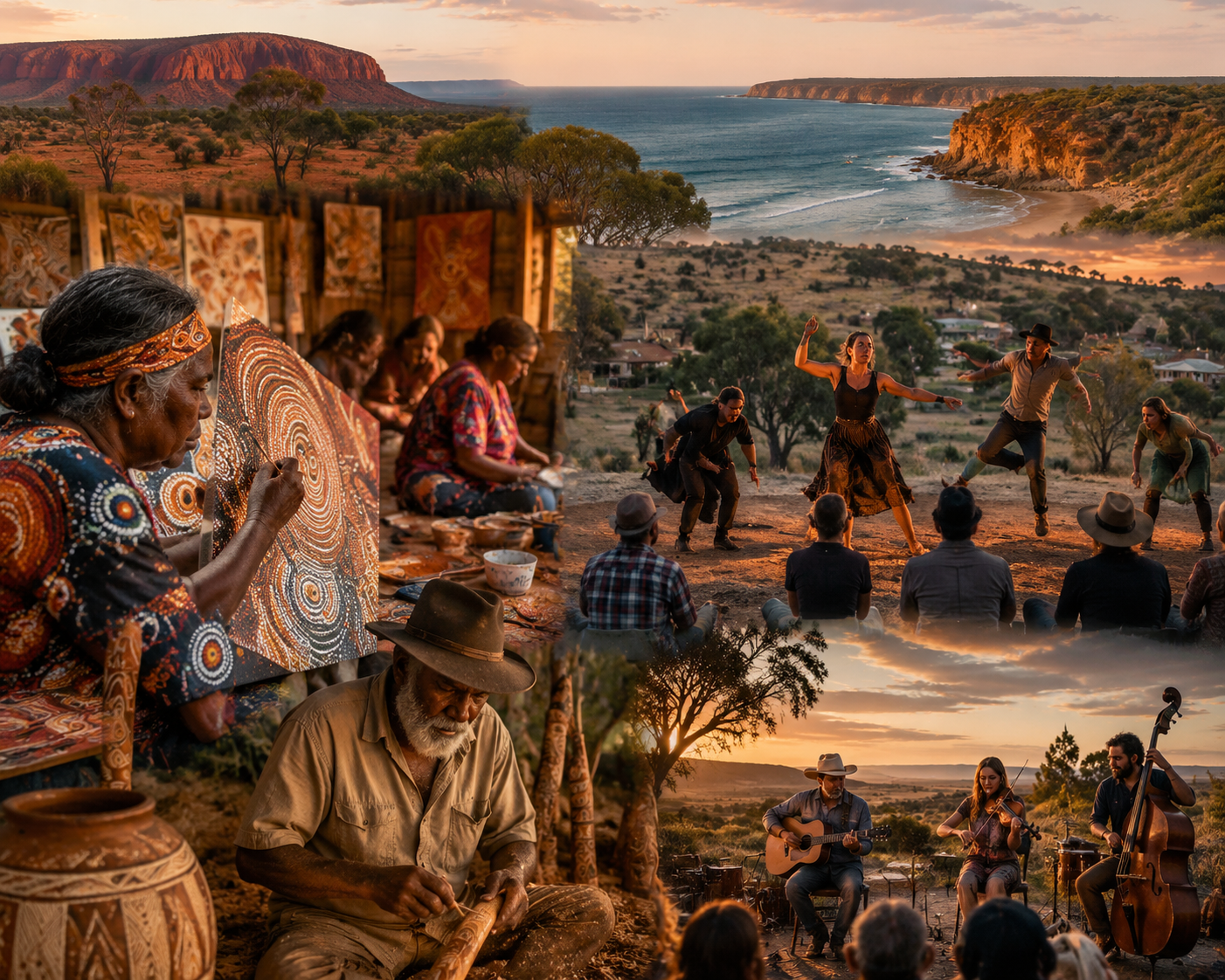

Arts festivals are a major driving force in Australia’s cultural economy, bringing together artists, audiences, and industries in large-scale celebrations of creativity. These events not only showcase artistic talent but also generate significant economic and tourism benefits.
The Adelaide Festival is one of the most prominent events, known for its international programming that includes theatre, dance, music, and visual arts. It attracts artists from around the world and positions Australia as a key player in the global arts circuit. Similarly, the Sydney Festival transforms the city into a cultural hub each January, offering free and ticketed events across multiple venues.
Smaller regional festivals also play an important role. Events like the Byron Bay Writers Festival or the Darwin Festival highlight local talent and Indigenous cultural expressions. These festivals often reflect the unique identity of their regions, blending community participation with professional performances.
Economically, arts festivals contribute to hospitality, tourism, and local business growth. Visitors travel specifically for major events, filling hotels, restaurants, and transport services. This creates a multiplier effect that extends beyond the arts sector.
Festivals also serve as platforms for experimentation. Many emerging artists gain their first major exposure through festival showcases, where they can present unconventional or interdisciplinary work that might not fit traditional gallery or theatre spaces.
Despite their success, festivals depend heavily on public funding and sponsorship. Economic downturns or policy changes can significantly affect their scale and programming. Nevertheless, they remain a cornerstone of Australia’s cultural infrastructure and international reputation.