
The Cultural Evolution of Singapore
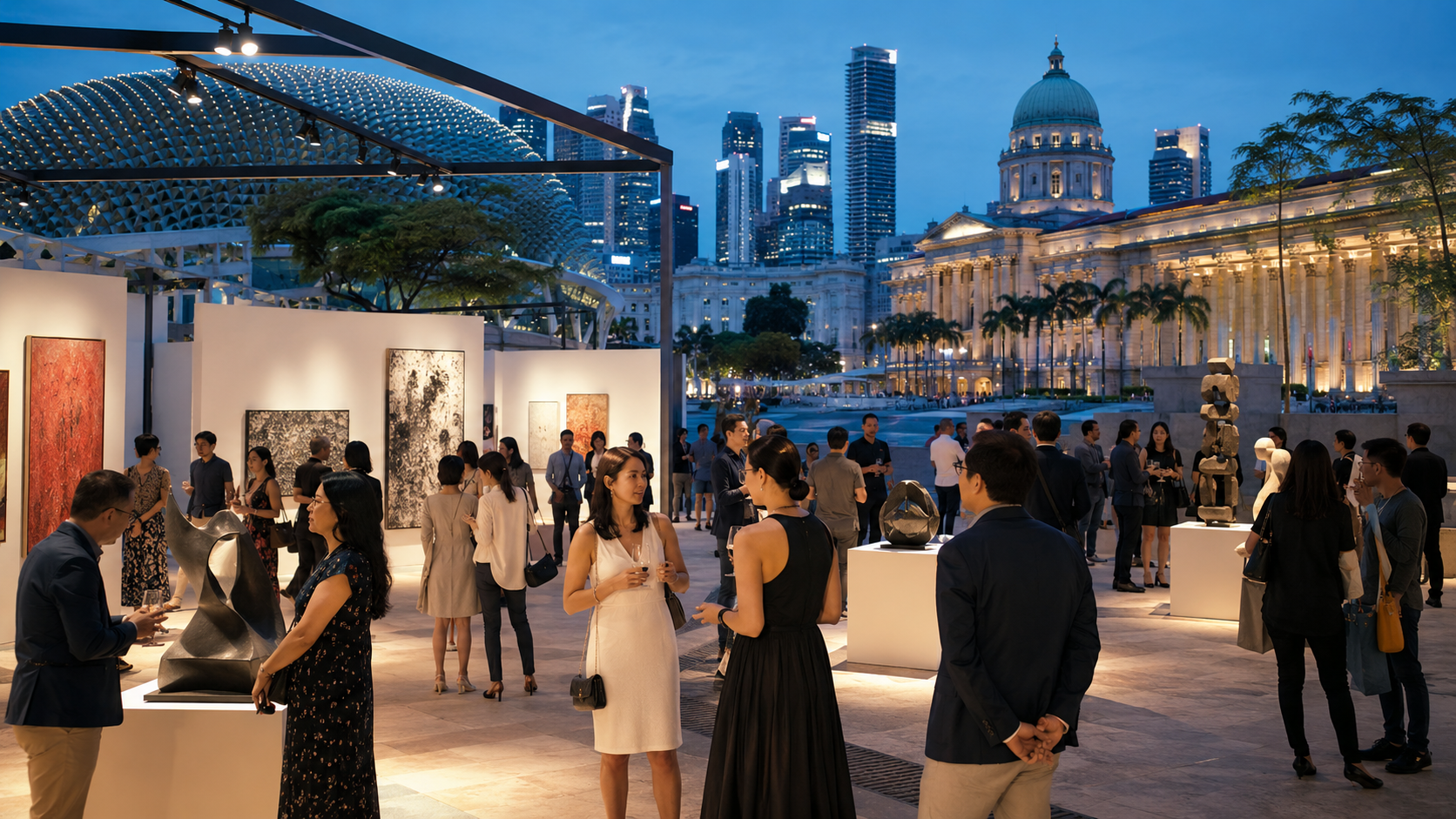
Singapore’s global image has traditionally been associated with business, innovation and economic development. However, in recent years, another aspect of the country has gained international attention: its growing influence in the world of art.
The city-state has created an impressive creative ecosystem where museums, galleries, artists and international cultural organisations work together. This development has transformed Singapore into one of Southeast Asia’s most important destinations for contemporary art.
The country’s artistic growth reflects a broader trend across Asia, where creative industries are becoming increasingly important components of national development.
Creating Spaces for Artistic Expression
Singapore’s cultural infrastructure has played a major role in supporting its artistic ambitions.
National Gallery Singapore stands as one of the most influential institutions in the region. Its focus on Southeast Asian modern art has helped bring greater recognition to artists whose work reflects the history, culture and social experiences of the region.
The institution’s collection and exhibitions provide valuable perspectives on how Southeast Asian societies have evolved through artistic expression.
The city’s creative environment is also supported by Esplanade – Theatres on the Bay, which provides opportunities for performers and audiences to experience international and local productions.
Meanwhile, Singapore Art Museum continues exploring contemporary issues through exhibitions that examine changing identities, technology and social transformation.
Strengthening Creativity Through National Programmes
A defining feature of Singapore’s arts development is the connection between cultural planning and national strategy.
The National Arts Council Singapore provides essential support for artists and arts organisations through funding schemes, training opportunities and community initiatives.
The Our SG Arts Plan 2023–2027 represents Singapore’s ongoing commitment to ensuring that arts remain accessible and sustainable.
This approach has helped create a professional environment where artists can develop their careers while audiences gain more opportunities to experience creative works.
Singapore as an International Art Meeting Point
Singapore’s position as a regional art centre has been strengthened through international platforms such as ART SG and Singapore Art Week.
These events attract participants from different parts of the world, including collectors, curators, galleries and cultural institutions.
The importance of these platforms goes beyond exhibitions. They encourage conversations about contemporary issues and create connections between artists and global audiences.
Singapore’s ability to host international events reflects its broader role as a bridge between East and West.
The Importance of Southeast Asian Identity
While Singapore has developed strong global connections, its cultural strength remains closely connected to Southeast Asia.
The region’s diverse histories, traditions and social experiences provide a rich foundation for artistic innovation.
Singapore offers a place where these different perspectives can meet, creating opportunities for collaboration and exchange.
This regional role gives Singapore a unique position compared with other global art centres.
Looking Ahead at Singapore’s Artistic Future
The development of Singapore’s art scene shows how cultural influence can be built through vision, investment and collaboration.
However, long-term success requires continuous support for emerging artists, independent organisations and experimental creative projects.
A vibrant art ecosystem depends on both established institutions and new voices willing to explore unfamiliar ideas.
Singapore has already created the foundation for becoming a major Asian cultural centre. Its future challenge will be ensuring that growth continues while preserving the creativity and diversity that make the arts meaningful.