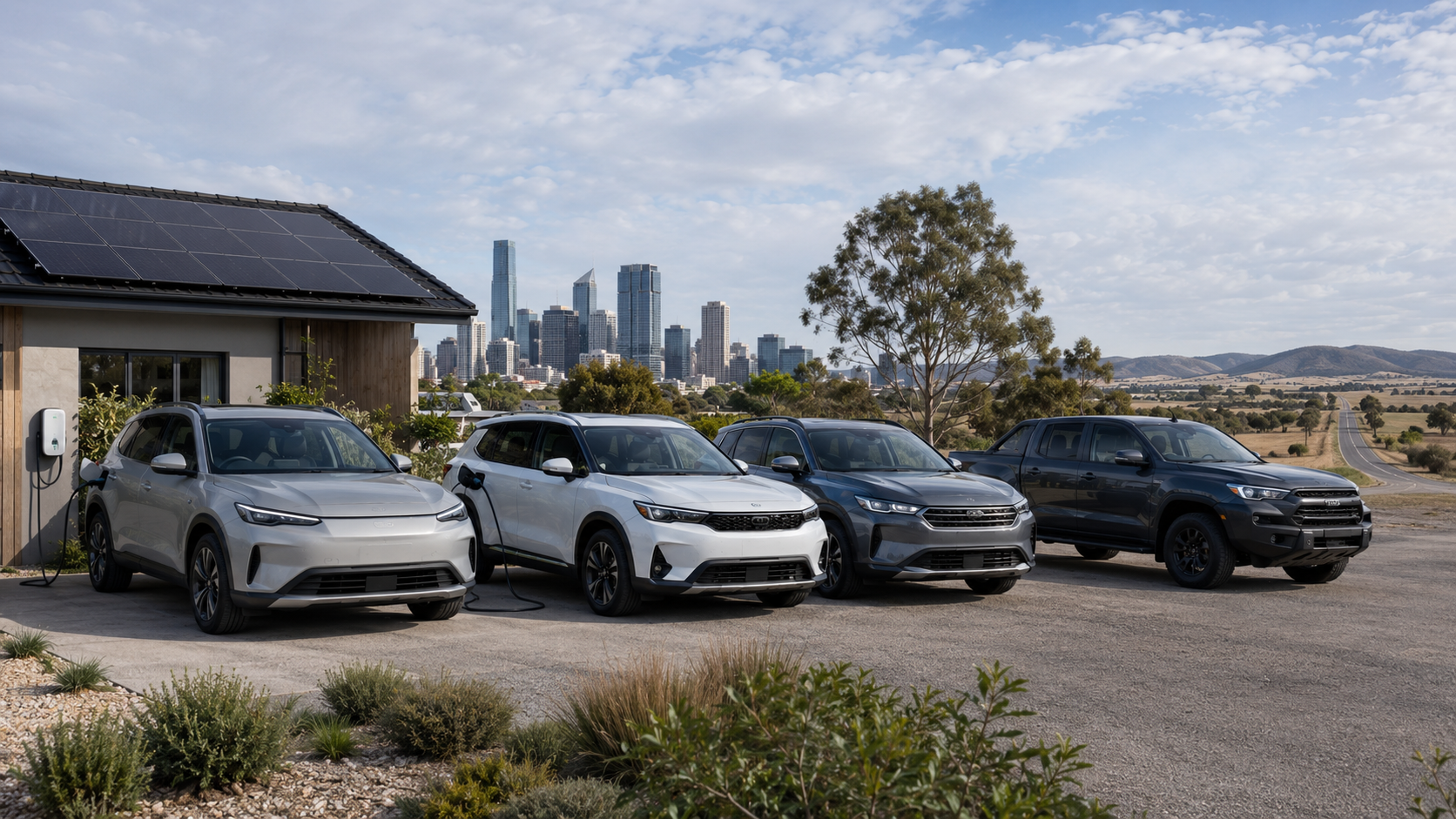

Australia’s automotive industry is entering a new phase where innovation is increasingly driven by research institutions, technology companies and specialised engineering firms rather than traditional vehicle manufacturers.
Although large-scale car assembly has declined, Australia continues to develop expertise in artificial intelligence, autonomous systems, battery technology, software engineering and advanced mobility solutions.
The future of the industry will depend on how effectively Australia converts scientific research into commercial products and global opportunities.
Universities Become Key Players in Automotive Development
Australian universities are contributing significantly to next-generation transport research.
Projects involving autonomous vehicles, artificial intelligence, battery systems and intelligent infrastructure are creating new knowledge that supports future mobility solutions.
Researchers are studying how vehicles interact with roads, energy systems and urban environments.
This approach reflects the changing definition of the automotive industry. Modern transportation is no longer only about manufacturing vehicles; it involves creating complete ecosystems connecting technology, infrastructure and human behaviour.
Artificial Intelligence Is Changing Vehicle Capabilities
Artificial intelligence has become one of the most important technologies shaping modern vehicles.
AI systems allow vehicles to process information from cameras, radar sensors and other data sources to improve safety and automation.
Advanced driver assistance systems already provide features such as automatic emergency braking, adaptive cruise control and parking assistance.
Future developments may include more sophisticated autonomous driving functions, predictive maintenance systems and personalised vehicle experiences.
Australian technology companies have opportunities to contribute to these developments through software platforms, machine learning applications and data management systems.
Startups Are Creating New Mobility Solutions
A growing number of Australian startups are focusing on transport-related innovation.
These companies are developing solutions ranging from fleet management software and charging platforms to autonomous vehicle technologies and transport analytics.
Unlike traditional automotive manufacturers that require large factories, technology startups can compete through specialised knowledge and innovation.
This allows Australia to participate in the global automotive transformation without rebuilding the same manufacturing model that existed decades ago.
Digital Infrastructure Becomes the Foundation of Future Transport
Future mobility depends heavily on digital infrastructure.
Connected vehicles require reliable communication networks to exchange information with other vehicles, traffic systems and cloud platforms.
Smart transport systems could improve traffic management, reduce congestion and increase road safety.
Cities may eventually use real-time vehicle data to optimise public transportation, manage parking availability and improve emergency response.
However, increased connectivity also creates challenges related to cybersecurity, privacy protection and data ownership.
Government Support Influences Innovation Growth
Government programs play an important role in supporting research commercialisation and technology development.
The Australian Government’s Cooperative Research Centres (CRC) Program supports collaboration between universities, industries and research organisations.
Information about the program is available at:
https://www.industry.gov.au/science-technology-and-innovation/cooperative-research-centres-program
These partnerships help move ideas from laboratories into practical applications.
Automotive innovation requires long-term investment because technologies such as autonomous systems and advanced batteries often require years of testing before reaching commercial markets.
Australia’s Opportunity in Global Mobility Competition
Australia may not compete directly with countries producing millions of vehicles annually. Instead, it can focus on specialised technologies where expertise, research capability and unique operating environments provide advantages.
Examples include autonomous mining vehicles, remote-area transport solutions, renewable-powered mobility systems and advanced software platforms.
The country’s challenging conditions, including vast distances and extreme environments, can become valuable testing opportunities.
Technology that performs reliably in Australia’s difficult environments may have strong international applications.
The future of Australia’s automotive industry will therefore be defined less by traditional manufacturing volume and more by innovation capacity.
By combining research excellence, digital technology and industry collaboration, Australia has the potential to become an important contributor to the global transition toward smarter and cleaner mobility.