





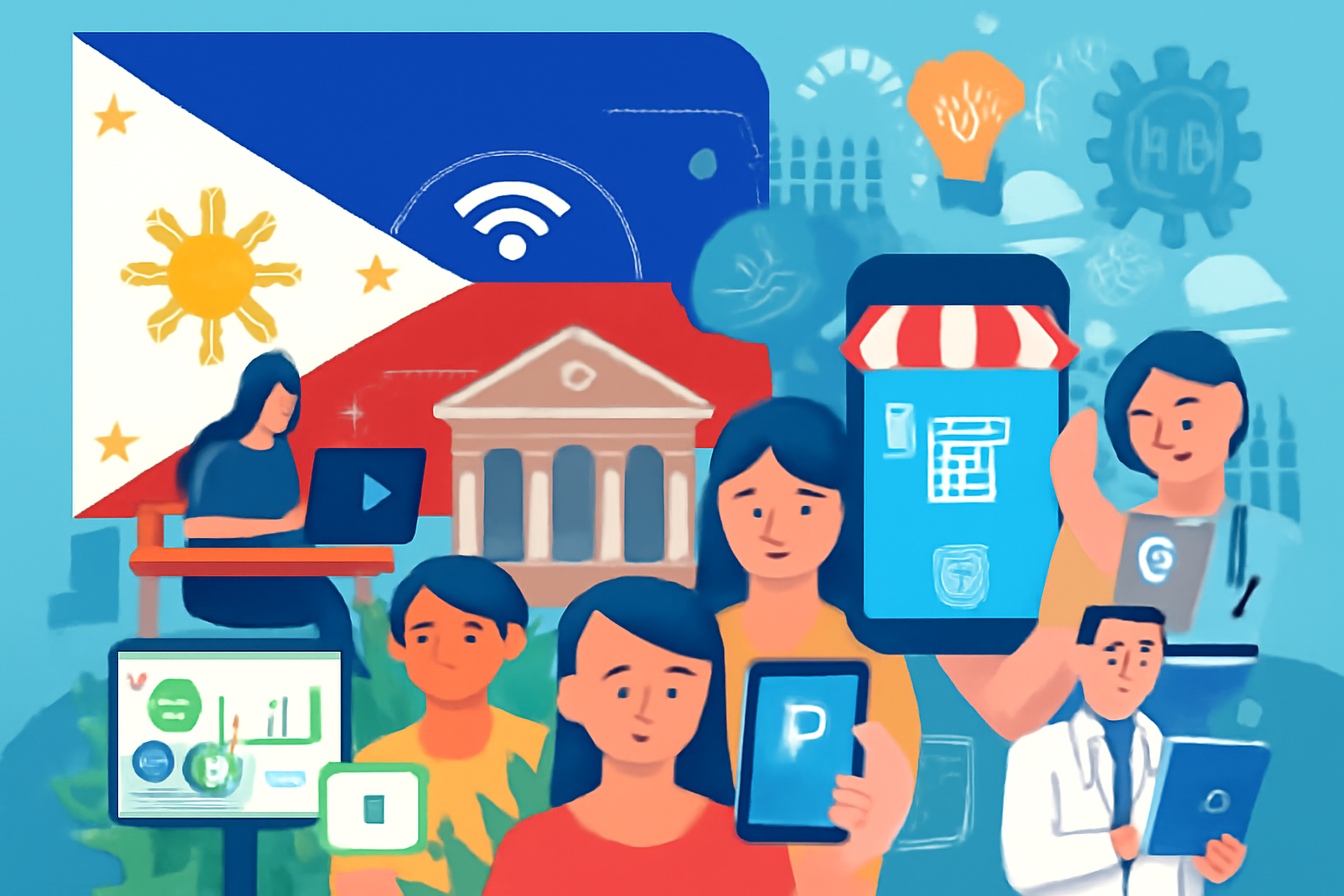
The Philippines is undergoing a digital transformation that is changing the way Filipinos live, work, and interact with the world. Technology and innovation are at the heart of this shift, influencing sectors ranging from healthcare and education to business and government services. By embracing digitalization, the Philippines is unlocking new opportunities for growth, efficiency, and inclusivity, positioning itself as a leader in Southeast Asia’s digital economy.
At the core of the digital transformation in the Philippines is the government’s focus on improving digital infrastructure. The National Broadband Plan (NBP) aims to enhance internet connectivity across the country, ensuring that both urban and rural areas have access to high-speed internet. This connectivity is crucial for businesses to remain competitive, for students to engage in online learning, and for citizens to access essential services from the comfort of their homes.
The education sector has seen dramatic changes, with digital tools playing an increasingly prominent role in learning. The Department of Education (DepEd) and the Commission on Higher Education (CHED) have been working to integrate technology into education through digital learning platforms, blended learning models, and remote teaching tools. These innovations are helping to create a more flexible education system that can respond to challenges such as the COVID-19 pandemic, while also preparing students for the digital economy.
Healthcare in the Philippines has also been transformed by technology. The rise of telemedicine has allowed people to consult with doctors remotely, reducing the need to travel long distances to access care. Digital health platforms are also helping individuals monitor their health, track vital signs, and receive prescriptions online. These innovations are particularly valuable for people in rural areas, where access to healthcare facilities may be limited.
The growth of e-commerce is another major facet of the Philippines’ digital transformation. Online shopping platforms such as Lazada and Shopee have gained immense popularity, offering a wide array of products to consumers. The widespread adoption of digital payment systems like GCash and PayMaya has also played a significant role in facilitating cashless transactions, making it easier for Filipinos to shop online, pay bills, and send money.
In the financial sector, fintech is driving financial inclusion by providing services to unbanked populations. Digital wallets, online lending, and mobile banking solutions are helping Filipinos access banking services that were previously unavailable to them. This financial innovation is empowering individuals to manage their money, invest, and access credit more easily.
The Philippines is also becoming a hotbed for innovation, with a growing number of startups focused on fintech, health tech, agritech, and other sectors. These startups are developing creative solutions to address local challenges, and their success is contributing to the country’s overall economic growth.
However, challenges remain. Digital literacy, cybersecurity, and unequal access to technology in rural areas are key obstacles to full digital inclusion. The government and private sector must continue to work together to address these issues, ensuring that all Filipinos have the skills and access needed to thrive in the digital economy.
With continued investment in technology and infrastructure, the Philippines is well-positioned to capitalize on its digital transformation and become a leader in the region’s digital economy. The future is digital, and the Philippines is ready to embrace the opportunities it offers.