





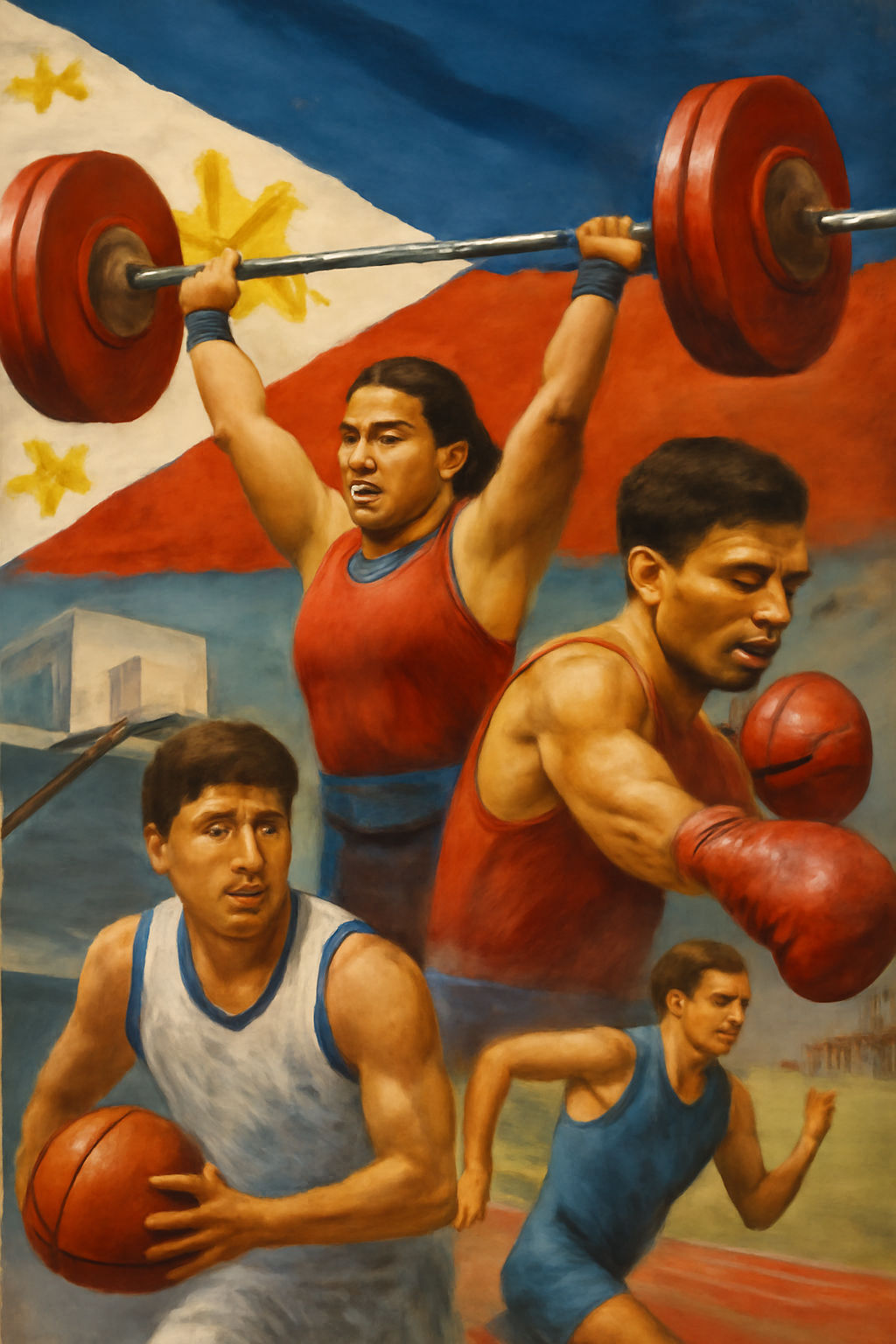
Filipino athletes have continuously demonstrated their skill, determination, and resilience on the global sports stage, achieving impressive feats in a variety of disciplines. Despite these accomplishments, the path to success is often marked by challenges related to funding, infrastructure, and a lack of organized sports development programs. Nevertheless, Filipino athletes have proven time and again that with the right support, they can compete at the highest level.
One of the Philippines’ most notable sporting achievements came at the 2020 Tokyo Olympics, when weightlifter Hidilyn Diaz won the country’s first-ever gold medal. Diaz’s victory was a groundbreaking moment in Philippine sports, and it ignited a sense of national pride and optimism for the future of Filipino athletics. Her success serves as an example of what can be achieved with dedication, determination, and adequate support.
In boxing, the Philippines has produced some of the most recognized athletes in the world. Manny Pacquiao’s illustrious career as a boxer has brought the Philippines to the global stage, earning him international acclaim and respect. Pacquiao’s rise to fame has inspired many Filipinos to pursue a career in boxing, and other talented boxers, such as Nonito Donaire and Nesthy Petecio, have further cemented the country’s legacy in the sport.
Basketball is another area where Filipino athletes have enjoyed success. The national team, Gilas Pilipinas, has competed in numerous international tournaments, earning recognition in regional competitions such as the FIBA Asia Cup. Basketball is the Philippines’ most popular sport, and the Philippine Basketball Association (PBA) has served as a crucial platform for developing local talent and providing a stage for athletes to showcase their skills.
However, despite these successes, there are still significant challenges for Filipino athletes. One major issue is the lack of world-class training facilities. While sports like boxing and basketball have received substantial funding and attention, athletes in other disciplines, such as athletics, swimming, and tennis, often lack the proper facilities and equipment to compete at the highest level. This disparity limits their ability to perform on the global stage and reach their full potential.
Additionally, the financial support for Filipino athletes is often insufficient. While sports like boxing and basketball attract major sponsors, many athletes in less mainstream sports struggle to find financial backing. This lack of funding makes it difficult for athletes to access the training and resources necessary to compete internationally.
Finally, there is a need for more effective sports development programs in the Philippines. Although the country produces many talented athletes, there are often no structured systems in place to nurture their potential. Investing in grassroots programs and improving the scouting and coaching systems will help ensure that the next generation of Filipino athletes has the support and opportunities they need to succeed on the international stage.
Despite these challenges, Filipino athletes continue to achieve remarkable feats in international sports. With the right infrastructure, financial support, and a focus on developing talent from a young age, the Philippines has the potential to become a dominant force in global sports competitions.