




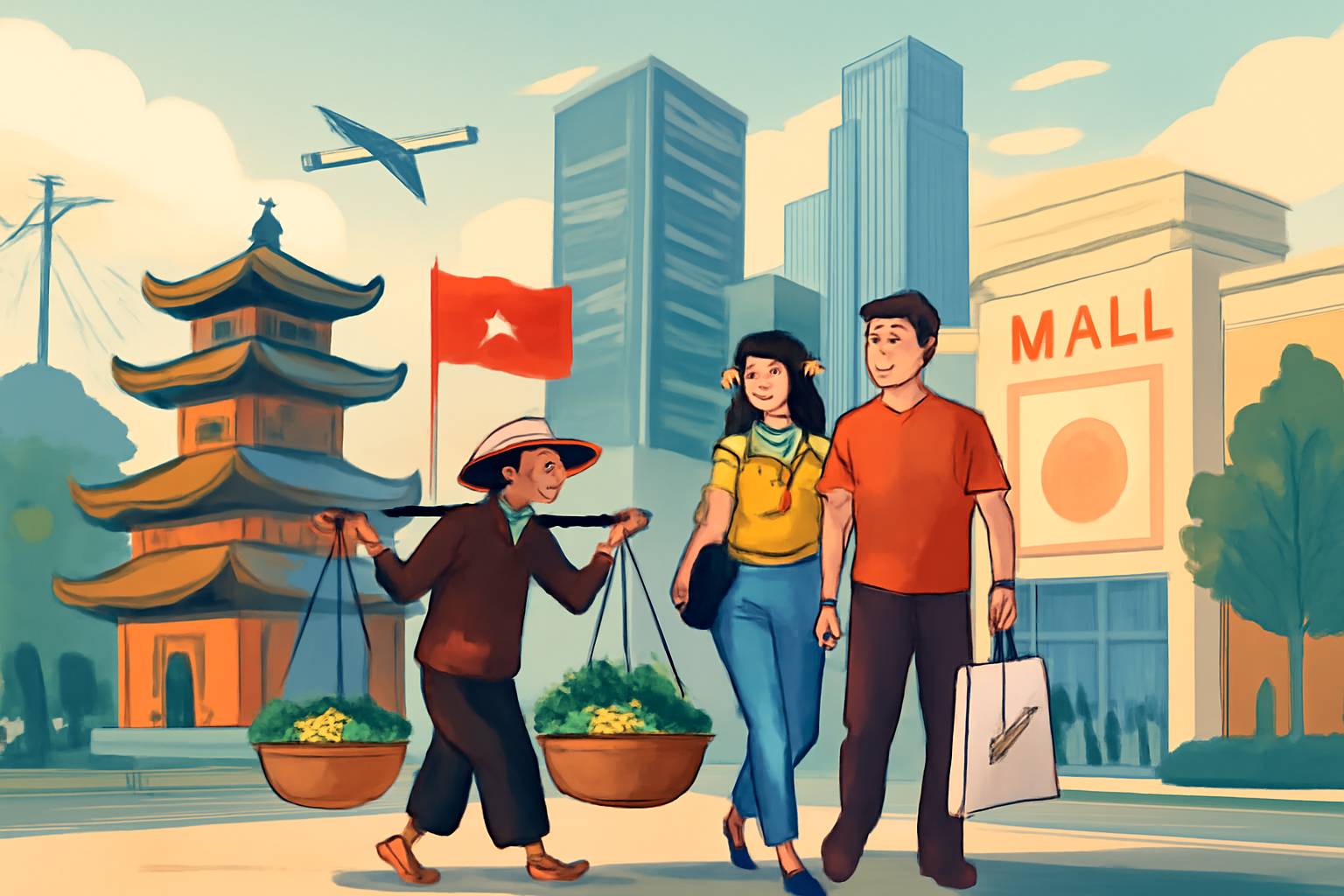
Vietnam is undergoing a period of rapid social transformation, with globalization at the heart of these changes. As the country integrates further into the global economy, traditional social structures and values are being reshaped. The impact of globalization can be seen in various aspects of daily life, including urban development, consumption habits, family dynamics, and education.
Urbanization is perhaps the most visible consequence of globalization in Vietnam. Cities such as Ho Chi Minh City and Hanoi are expanding rapidly, with foreign investments pouring in and industries modernizing. As a result, these urban centers are attracting people from rural areas in search of better job opportunities, modern amenities, and improved living conditions. This shift towards urban living is creating a more diverse and cosmopolitan social environment.
The consumer culture in Vietnam has also been influenced by globalization. International brands have become a significant part of everyday life, with global products increasingly available in urban markets. Young people, in particular, are drawn to these brands as symbols of modernity and success. The growing demand for global products reflects broader cultural shifts, as younger generations embrace Western lifestyles and values.
Social changes are not just limited to consumption habits. The influence of globalization has also altered traditional values, especially among younger generations. In the past, family cohesion and collective well-being were central to Vietnamese culture. However, Western values promoting individualism, career success, and personal freedom are becoming more prominent. This shift in priorities is affecting family dynamics, as younger generations prioritize their careers and personal growth over traditional family roles.
Education is another area that has been significantly impacted by globalization. As the demand for a global workforce increases, there is a stronger emphasis on learning foreign languages, particularly English, and adopting international education systems. Many Vietnamese students are now pursuing higher education abroad or participating in exchange programs, broadening their worldview and gaining skills that will help them compete in the global marketplace.
While these changes bring opportunities for growth and modernization, they also present challenges. The gap between urban and rural areas is widening, with rural populations struggling to keep pace with the rapid developments in cities. Moreover, the increasing influence of global culture has raised concerns about the loss of traditional Vietnamese values and cultural heritage. Balancing the advantages of globalization with the preservation of local culture is a critical issue for Vietnam moving forward.