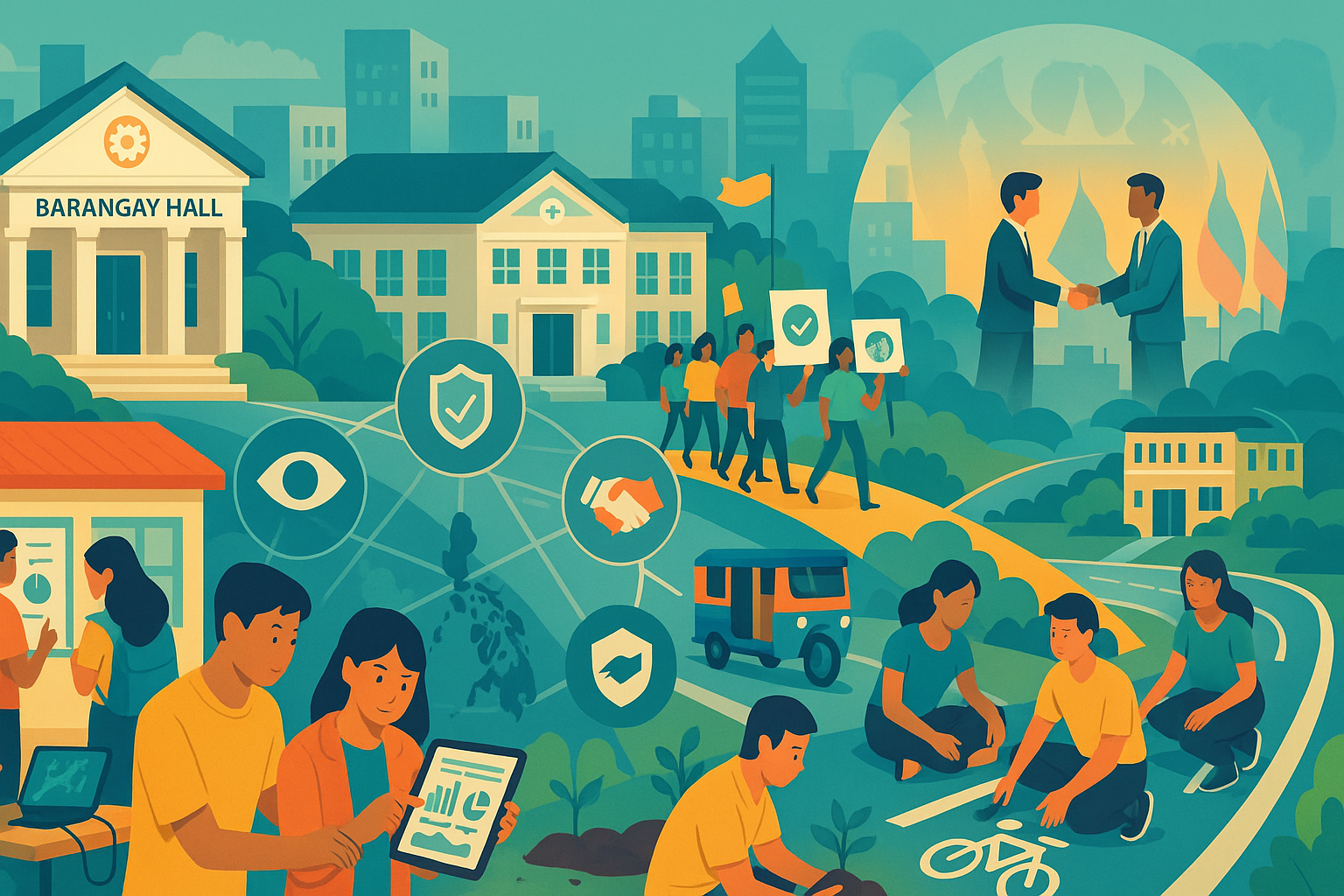

Globalization expands the arena of politics from the barangay hall to international forums. Filipino youth already organize climate strikes, run voter education drives, and track local budgets online. The question is how to convert this energy into policies that improve daily life—transport that works, schools that teach, healthcare that heals.
Participation starts with credible platforms. Youth councils can be incubators for leadership when they practice transparent budgeting, publish meeting notes, and measure outcomes. Training on procurement rules, policy drafting, and evidence gathering upgrades activism into governance. Partnerships with universities and think tanks help councils design pilots—safe school routes, pocket parks, waste segregation—with clear metrics and honest evaluation.
Open data shifts power. When budget lines, contract awards, and project timelines are searchable, young watchdogs can spot anomalies and propose fixes. Hackathons that build simple tools—pothole reporters, classroom shortage trackers—translate frustration into constructive pressure. Collaboration with local media amplifies findings while maintaining fairness and context.
Disinformation distorts public choices. Youth-led fact-checking initiatives and debate clubs build resilience by rewarding accuracy over volume. Training in strategic communication—framing, narrative mapping, audience analysis—helps advocates reach undecided citizens rather than only preaching to the converted. Ethical guidelines keep campaigns from sliding into the same tactics they critique.
International engagement matters. ASEAN exchanges, student delegations to climate negotiations, and city diplomacy open channels for learning and funding. Grants for youth proposals, matched by local co-financing, move ideas from pitch to pilot. Diaspora networks can mentor teams and provide market intelligence, especially for social enterprises exporting services or cultural products.
Integrity safeguards sustain trust. Conflict-of-interest disclosures, whistleblower protections, and community monitoring reduce corruption risk. Rotating leadership roles and term limits prevent gatekeeping and broaden experience. Inclusive practices—accessible venues, sign language interpretation, and stipends for transport—ensure participation is not limited to those who can afford it.
Governance is not a spectator sport. When institutions welcome youth as co-designers, policies gain realism and longevity. Filipino young people bring systems thinking, digital fluency, and lived experience of climate stress and economic precarity. With the right structures, their voices become durable policy that improves neighborhoods now and shapes a fairer, more responsive state in the years ahead.