





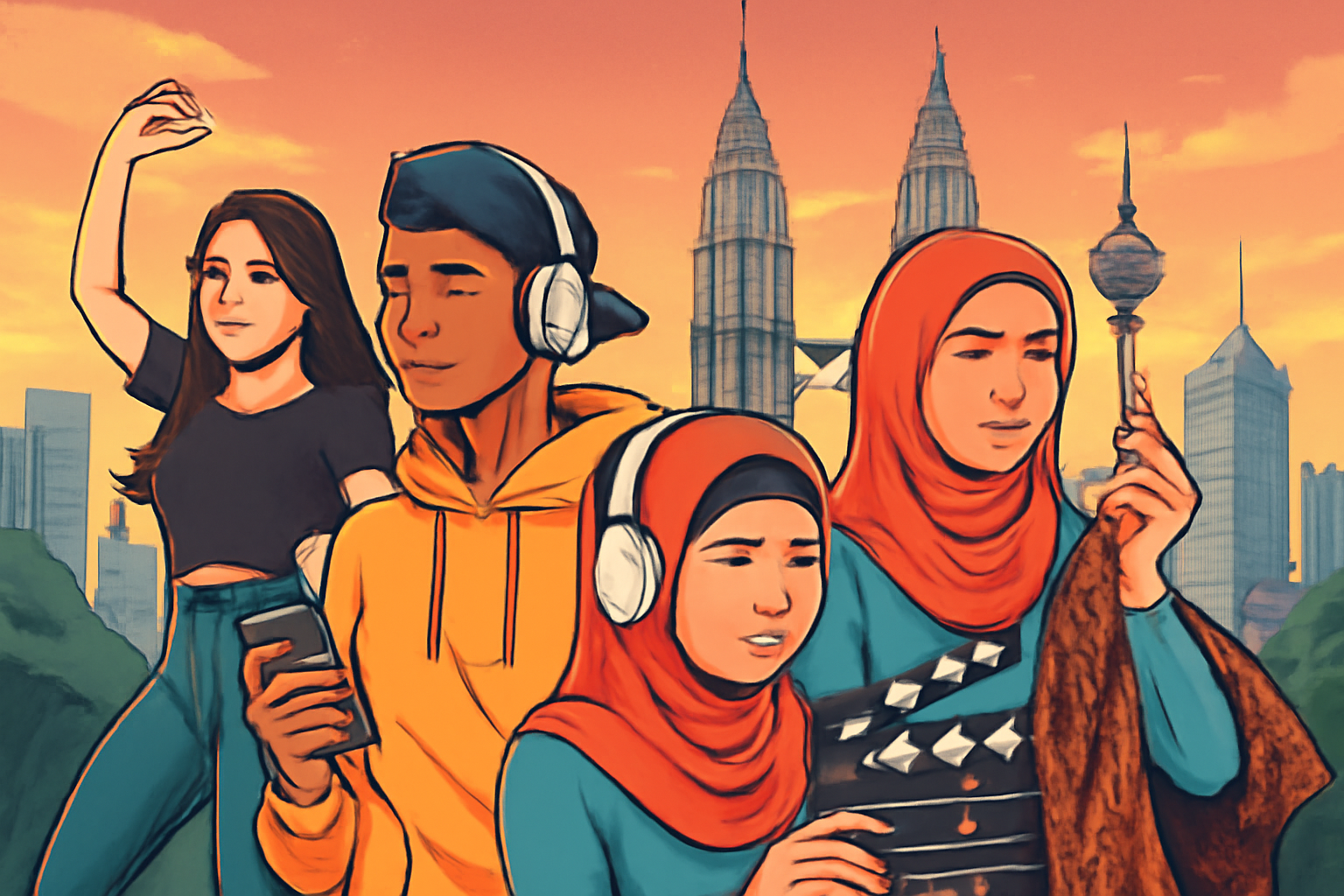
In Malaysia, pop culture plays a significant role in shaping the social and cultural lives of young people. Music, cinema, and fashion are three critical components that have transformed the way youth express themselves, communicate, and define their place in the world. As Malaysia continues to experience a blend of global trends and local traditions, these cultural elements have become essential in understanding how the younger generation navigates identity, values, and social interactions.
Music: A Fusion of Global Trends and Local Flavors
Music has always been at the heart of youth culture, and in Malaysia, this is particularly evident. With the country’s rich multicultural backdrop, the music scene is as diverse as its people. The younger generation embraces an eclectic mix of musical genres, from international K-pop hits to local indie, hip-hop, and EDM tracks.
K-pop, in particular, has become a dominant force in shaping the musical tastes of Malaysian youth. The global phenomenon of K-pop groups like BTS, BLACKPINK, and EXO has significantly impacted the youth culture in Malaysia, not only through music but also by influencing fashion, social media interactions, and youth behaviors. Malaysian fans have formed active communities, participating in fan events, sharing dance covers, and following the latest trends set by K-pop idols.
At the same time, local Malaysian artists continue to thrive, creating music that resonates deeply with young Malaysians. Artists like Yuna, who blends Western pop with Malay influences, and SonaOne, who infuses hip-hop with social commentary, are contributing to a vibrant and diverse local music scene. These musicians help bridge the gap between global pop culture and local cultural expressions, showing that Malaysian youth can engage with international trends while celebrating their cultural heritage.
Cinema: Reflecting Youth’s Changing Attitudes and Values
Film has always been a platform for exploring societal issues, and in Malaysia, cinema plays an essential role in reflecting the evolving values of youth. In recent years, filmmakers have tackled important topics such as identity, race, and mental health, offering stories that resonate with the younger generation. These films provide a mirror to the complexities of modern Malaysian society, helping youth reflect on their roles and identities.
Films like “The Journey,” which delves into the generational and cultural divides, and “Ola Bola,” which addresses unity and national identity through sports, are powerful examples of how Malaysian cinema connects with youth. These films spark important conversations about the nation’s multicultural fabric and inspire young people to think critically about their place in society.
The advent of streaming services like Netflix has further diversified the film-viewing habits of Malaysian youth. With greater access to international films, young people are exposed to a wider range of stories, perspectives, and cultures. This broader exposure allows them to develop a more global perspective while still engaging with local narratives that speak to their experiences.
Fashion: A Canvas for Personal and Cultural Expression
Fashion is one of the most visible forms of self-expression, and for Malaysian youth, it has become a powerful tool for defining their identities. The fashion scene in Malaysia is influenced by both global trends and local cultural traditions, resulting in a unique fusion that speaks to the younger generation’s desire for individuality and cultural pride.
Streetwear culture has gained immense popularity in Malaysia, with global brands like Nike, Supreme, and Adidas being widely embraced by the youth. However, local designers are increasingly gaining recognition for their ability to blend traditional Malaysian fabrics, such as batik and songket, with contemporary fashion designs. This fusion creates a style that is distinctly Malaysian while still relevant on the global fashion stage.
Social media platforms, particularly Instagram and TikTok, play a crucial role in shaping youth fashion trends. These platforms enable young people to share their personal style, collaborate with influencers, and gain inspiration from international fashion trends. Fashion is no longer just about clothing; it’s a way for youth to engage in a global conversation