





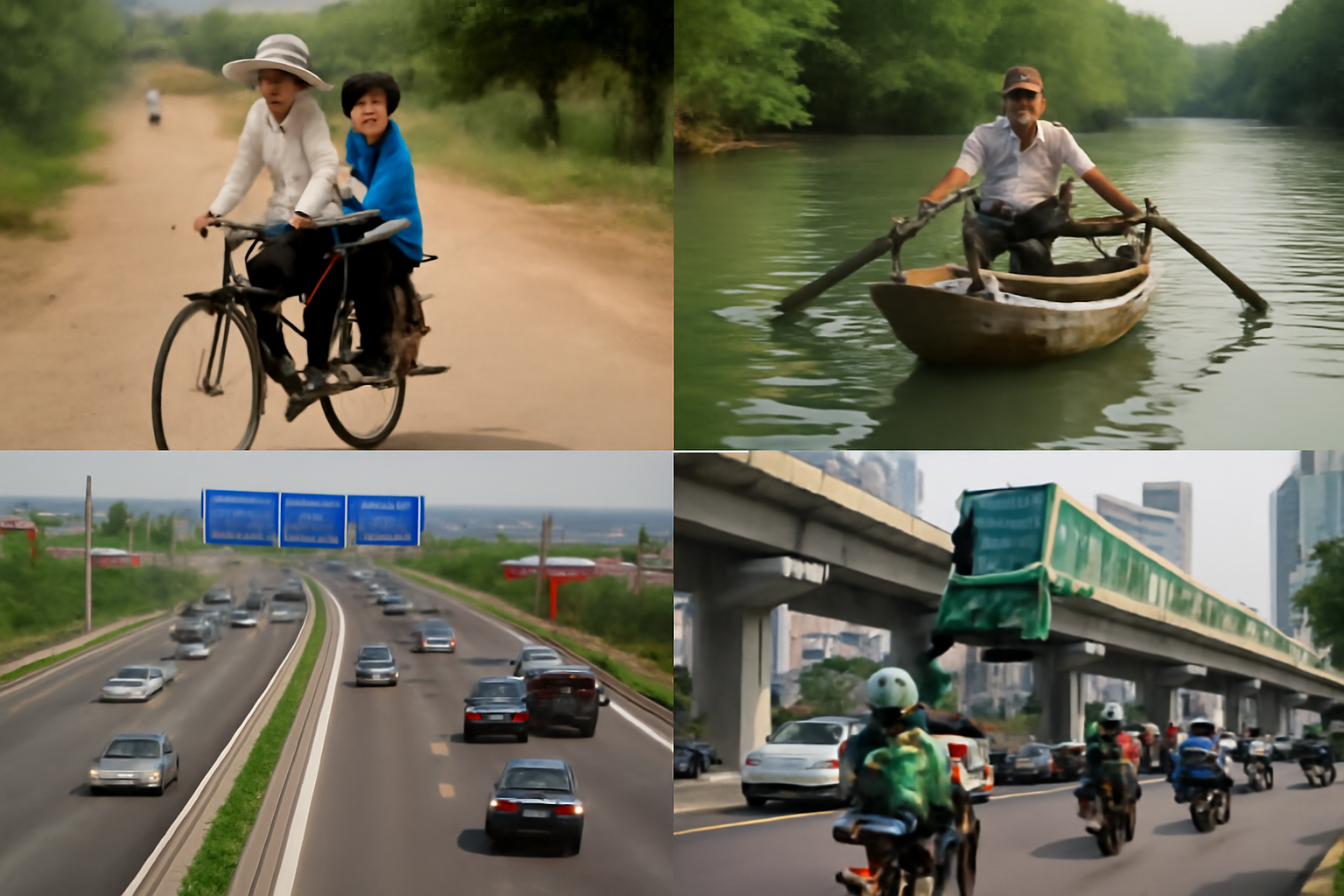
Vietnam’s transportation systems have evolved significantly in recent years, transitioning from a basic and fragmented network to a more integrated and modern infrastructure capable of supporting the country’s expanding economy. This transformation is not only a testament to the country’s development but also highlights the challenges it faces in managing urbanization, traffic congestion, and environmental concerns.
In the past, Vietnam’s transportation relied on traditional forms of transport, including bicycles, rickshaws, and boats, especially in rural and coastal regions. Major cities such as Hanoi and Ho Chi Minh City had limited road systems and struggled with traffic management, leading to widespread use of motorbikes as the primary mode of transport. As the urban population grew, so did the demand for more efficient transportation options.
The government responded to this demand by investing in infrastructure projects aimed at modernizing the road network. By the early 2000s, the construction of national highways and expressways connected cities and provinces more efficiently, reducing travel time and facilitating trade. However, despite these improvements, urban centers still faced challenges related to congestion and pollution, which led to a growing interest in mass transit solutions.
Mass transit in Vietnam became a priority in the 2010s, with cities like Hanoi and Ho Chi Minh City embarking on ambitious metro projects. The Hanoi Metro, which began operations in 2021, is the first metro system in the country and represents a major milestone in urban mobility. This new mode of transport will help reduce traffic congestion, cut down on pollution, and improve the overall quality of urban life.
In addition to the metro systems, ride-hailing platforms like Grab have gained significant popularity in Vietnam. These services provide on-demand transport and have helped reduce reliance on private vehicles, further alleviating traffic congestion and offering more affordable options for commuters.
The future of transportation in Vietnam will likely focus on sustainability, with the government pushing for electric vehicles and smarter urban planning to reduce environmental impacts. As the country continues to urbanize, efficient public transport systems will play a crucial role in improving the mobility of its citizens and sustaining economic growth.