




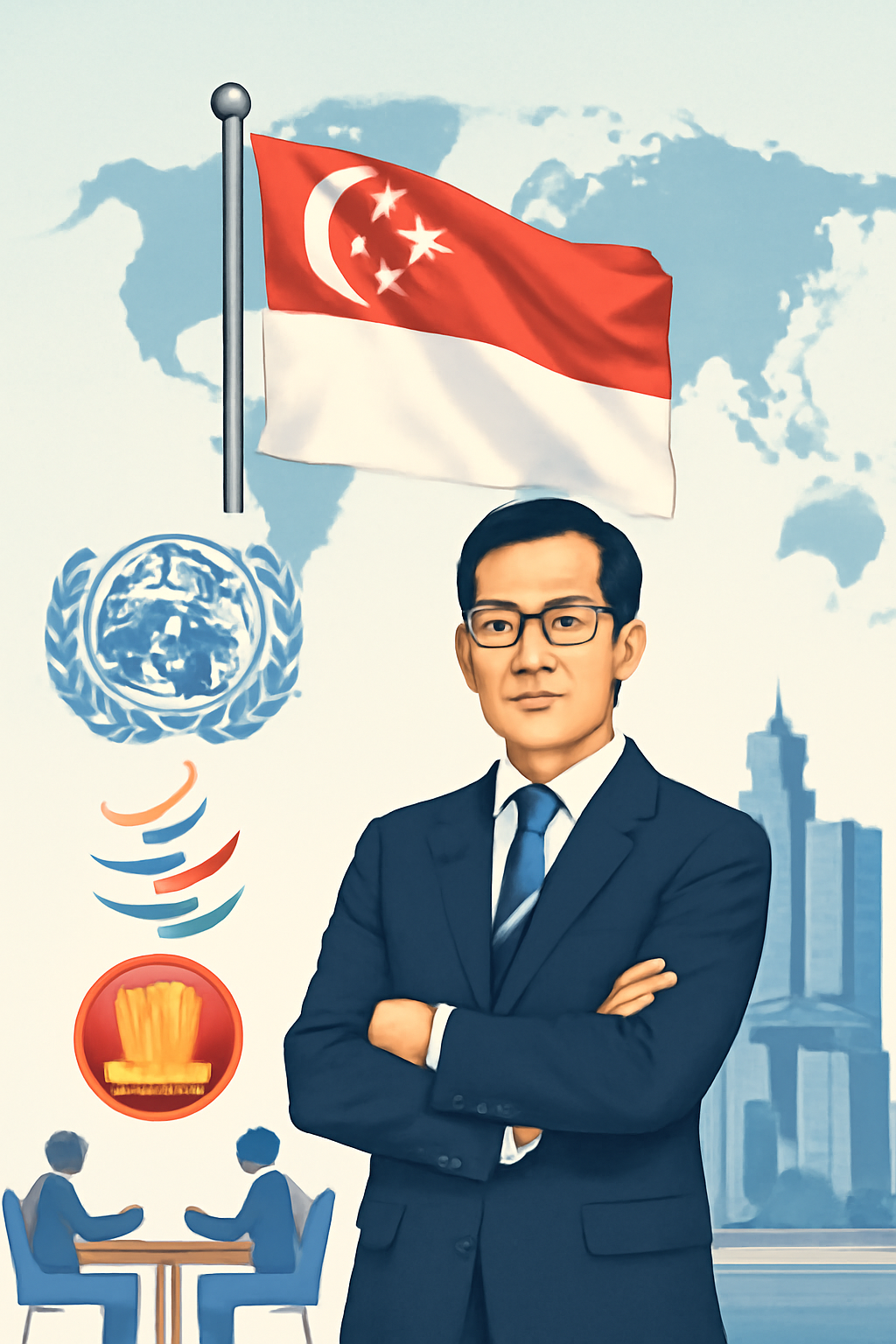
Singapore’s diplomatic influence has grown significantly over the years, demonstrating that small nations can wield considerable power in international relations. The city-state’s success can be attributed to its strategic geographical location, thriving economy, and focus on neutrality and multilateralism. Despite its limited size, Singapore has successfully used these strengths to navigate the complexities of global diplomacy and secure a prominent place in the international arena.
At the core of Singapore’s diplomatic approach is its commitment to neutrality. By maintaining a policy of non-alignment, Singapore has been able to cultivate positive relationships with countries across the world, including both superpowers and regional neighbors. This neutral stance has allowed the country to play an essential role in resolving conflicts, particularly through mediation and facilitating dialogue between opposing parties. Singapore’s ability to remain impartial has made it a go-to destination for international peace talks and negotiations.
Economically, Singapore has established itself as one of the world’s most important financial hubs and a key player in global trade. The country’s success in building a competitive, open economy has provided it with significant diplomatic leverage. As a global trade center, Singapore has engaged in numerous trade agreements, helping to foster economic cooperation and integration across the Asia-Pacific region. Its role in the World Trade Organization and regional trade initiatives has reinforced its standing as a leading advocate for free trade and economic development.
Singapore has also been active in promoting multilateral diplomacy through its membership in international organizations such as the United Nations, ASEAN, and the World Trade Organization. The country has used these platforms to advocate for global cooperation on issues ranging from security to climate change. Its leadership in ASEAN, in particular, has allowed Singapore to shape the direction of regional diplomacy and foster greater cooperation among Southeast Asian nations.
In addition to economic diplomacy, Singapore has positioned itself as a global mediator and peacemaker. The 2018 summit between U.S. President Donald Trump and North Korean leader Kim Jong-un, held in Singapore, is one of the most high-profile examples of the country’s role as a facilitator of international dialogue. By offering a neutral and secure venue for such talks, Singapore helped ease tensions and demonstrated its ability to support peaceful diplomatic solutions.
Lastly, Singapore’s efforts in environmental diplomacy have added another dimension to its global influence. The city-state has adopted innovative policies on sustainable development, urban planning, and climate change, becoming a model for other countries seeking solutions to these challenges.
Through its commitment to neutrality, multilateralism, and economic diplomacy, Singapore has proven that size is not a limitation when it comes to diplomatic influence. The city-state’s success in shaping global affairs demonstrates that small nations can indeed have a lasting impact on the world stage.