





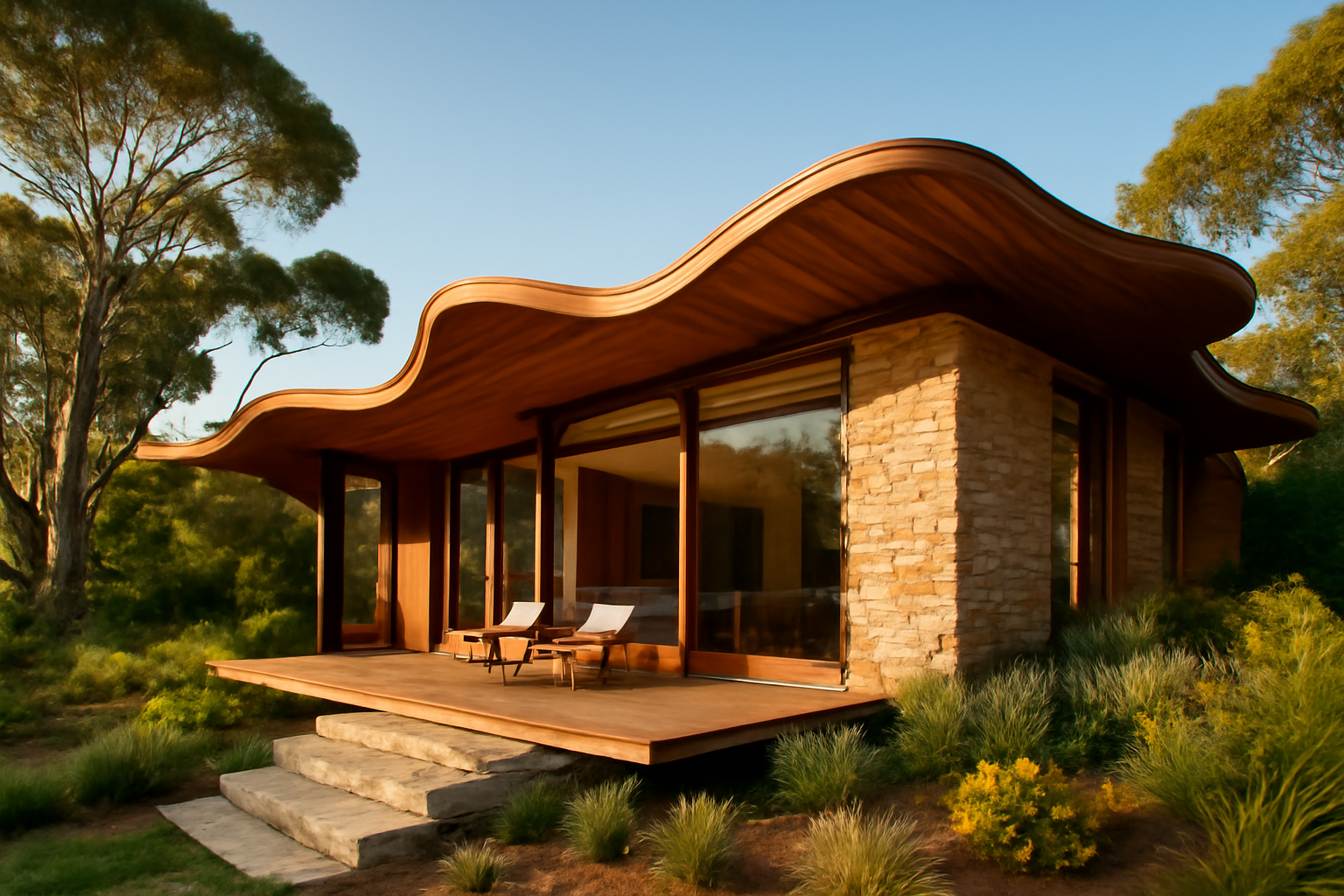
In Australia, architecture is not just about creating functional spaces but about creating harmony between modern design and the environment. The country’s architects have developed a distinctive style that integrates contemporary design principles with a strong commitment to sustainability. This blend of innovation and environmental responsibility has led to the creation of buildings that are not only visually striking but also in harmony with the natural world.
The use of natural materials is one of the most prominent features of Australian architecture. Timber, stone, and glass are common elements used to create a seamless connection between the built environment and the landscape. Timber provides warmth and texture, while stone anchors buildings to the earth, creating a sense of permanence. Glass is utilized extensively to allow for natural light and expansive views, bringing the outdoors inside and ensuring that the interior spaces feel connected to nature.
Energy efficiency and sustainability are core considerations in Australian architectural design. Many buildings are designed using passive design principles, which rely on the natural climate to regulate indoor temperatures. By orienting buildings to capture the sun’s warmth in winter and block it in summer, architects reduce the need for energy-consuming heating and cooling systems. Thermal mass materials and natural ventilation are also incorporated to further enhance energy efficiency and comfort.
In addition to passive design, many Australian homes now feature renewable energy technologies such as solar panels and rainwater harvesting systems. These technologies help reduce reliance on the grid, lower energy bills, and conserve water resources, making Australian homes more sustainable and eco-friendly.
Outdoor living is an integral part of the Australian lifestyle, and this is reflected in the design of homes. Many Australian homes feature large outdoor spaces that encourage residents to connect with nature. Whether through decks, verandas, or courtyards, these outdoor areas extend the living space and allow residents to enjoy the temperate climate. By designing homes with a strong connection to the outdoors, architects ensure that residents can experience the natural beauty that surrounds them.
Indigenous culture is another influence on modern Australian architecture. Many architects draw inspiration from Aboriginal art and cultural symbols, incorporating these elements into their designs to reflect the country’s history and respect for the land. This infusion of cultural elements adds depth and meaning to architectural designs, creating structures that resonate on a cultural and emotional level.
Coastal architecture in Australia also exemplifies the relationship between modern design and nature. Coastal homes often feature large windows, open-plan layouts, and natural ventilation to take advantage of breathtaking ocean views and fresh air. These homes are built to withstand the challenges of coastal living, using durable materials and elevated designs to protect against salt exposure, strong winds, and potential flooding.
Ultimately, Australian architecture represents a balance between modern design, sustainability, and a deep respect for the natural world. By incorporating natural materials, energy-efficient designs, and innovative technologies, Australian architects have created buildings that are not only functional and beautiful but also environmentally responsible.