




Malaysia, known for its incredible biodiversity and rich natural resources, is confronting a range of environmental challenges. Deforestation, pollution, and overexploitation of natural resources are all posing significant threats to the country’s ecosystems. However, Malaysia is taking steps to mitigate these challenges through various conservation and sustainability initiatives.
The Problem of Deforestation
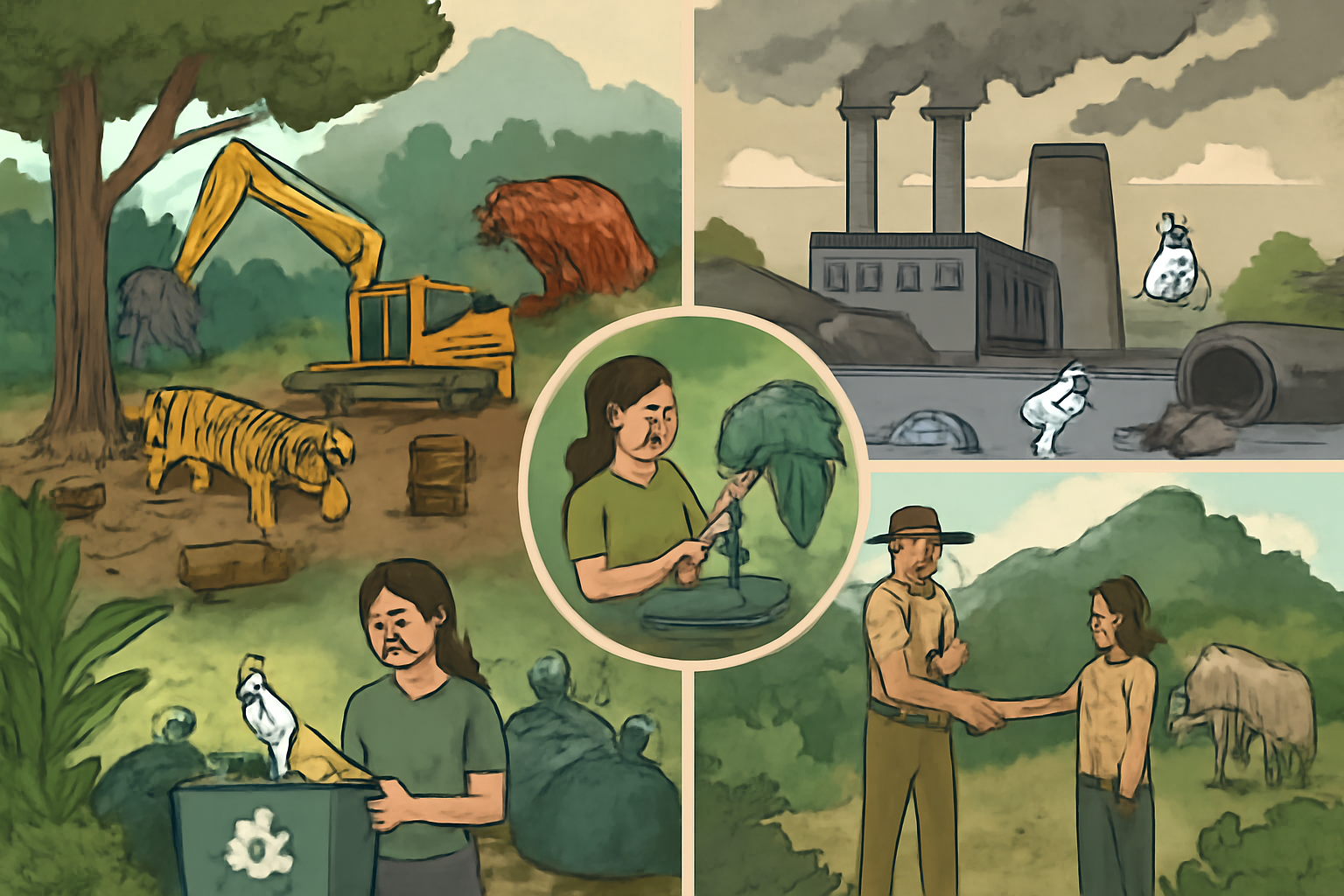
Deforestation in Malaysia is largely driven by the expansion of palm oil plantations, logging, and urban development. The country’s tropical rainforests are being rapidly cleared, leading to habitat destruction and the loss of biodiversity. This deforestation has had a profound impact on endangered species such as the Malayan tiger, orangutan, and pygmy elephant.
To address this issue, Malaysia has adopted sustainable palm oil production practices and introduced laws to protect forests and wildlife. The establishment of protected areas, such as national parks and wildlife reserves, helps preserve critical habitats and prevent further deforestation.
Pollution and its Effects
Pollution is another major environmental concern in Malaysia. Industrial emissions, plastic waste, and untreated sewage are contributing to the contamination of air, water, and soil. The country’s rivers and oceans are increasingly polluted, threatening both marine and terrestrial life.
In response to this, Malaysia has introduced policies to reduce plastic waste, promote recycling, and improve waste management. Efforts to regulate industrial discharges and reduce emissions from vehicles are also being implemented. However, tackling pollution remains an ongoing challenge, requiring further investment in infrastructure and stricter enforcement of environmental regulations.
Efforts in Conservation and Sustainability
Malaysia’s conservation efforts are centered around protecting its ecosystems and promoting sustainable land-use practices. National parks like Taman Negara and Gunung Mulu are vital for preserving Malaysia’s rich biodiversity. These parks provide sanctuary for endangered species and offer eco-tourism opportunities that help fund conservation initiatives.
Sustainability initiatives, such as promoting sustainable palm oil production and responsible forestry practices, are helping to reduce the negative environmental impacts of these industries. The government is working closely with international organizations and NGOs to develop and implement best practices for sustainability.
The Role of Local Communities in Conservation
Local communities play a vital role in Malaysia’s conservation efforts. By engaging indigenous peoples and local stakeholders in the management of protected areas, Malaysia is ensuring that conservation efforts are both effective and sustainable. Eco-tourism is one such initiative that provides economic incentives for communities to preserve their natural environments.
Education and public awareness campaigns also play a critical role in fostering a culture of conservation. Through outreach programs and community engagement, Malaysia is promoting environmental responsibility and encouraging citizens to reduce their ecological footprint.
Conclusion
Despite the many environmental challenges it faces, Malaysia is making significant strides in conservation and sustainability. Through stronger regulations, sustainable development practices, and community involvement, the country is working towards a future where its natural resources are protected and preserved for future generations.