





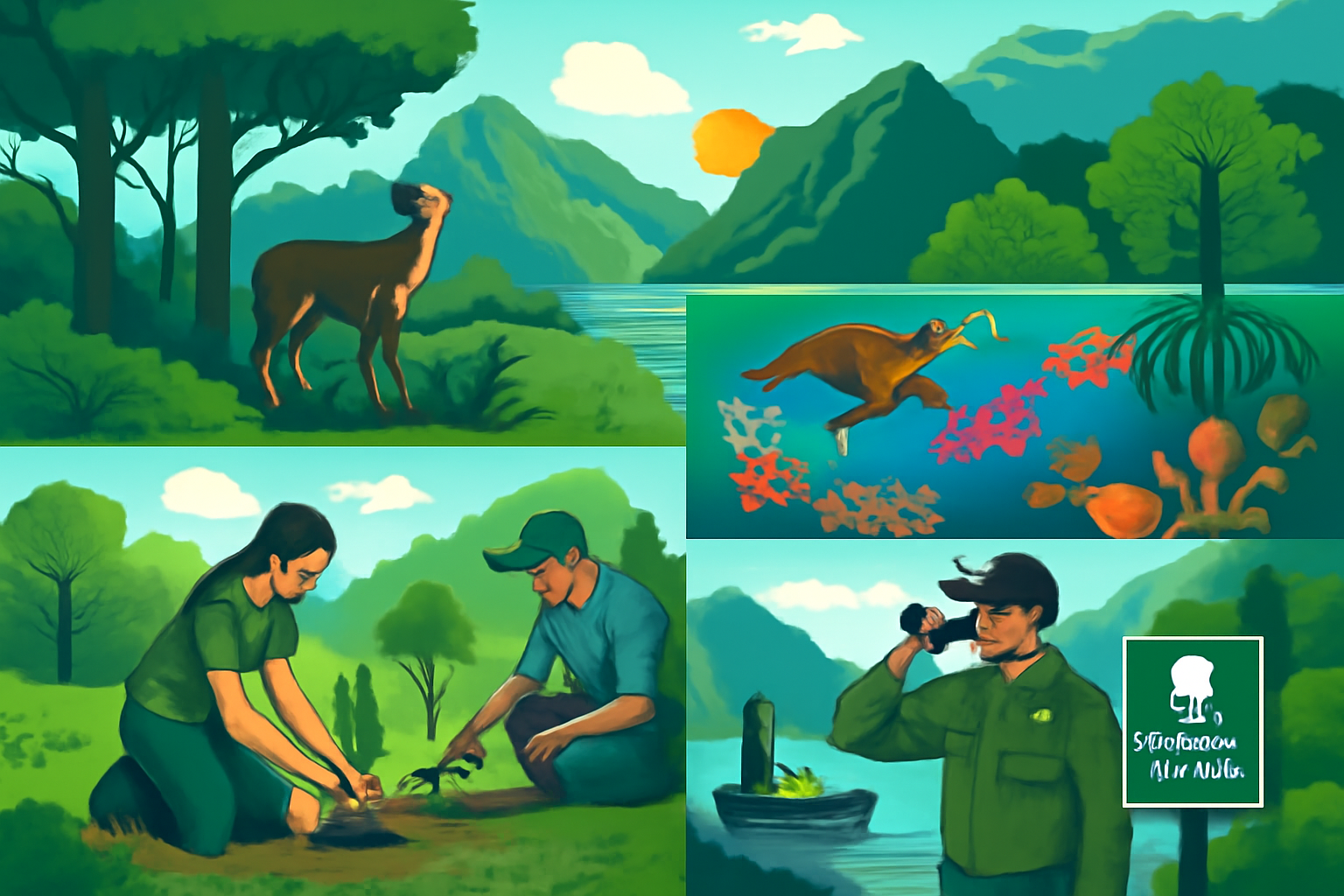
The Philippines, known for its stunning natural beauty and diverse ecosystems, is facing growing environmental challenges. The rapid pace of development, coupled with deforestation, illegal fishing, and pollution, threatens the sustainability of the country’s natural resources. In response, the Philippines has adopted a collaborative approach to conservation, involving government agencies, local communities, and non-governmental organizations.
The National Integrated Protected Areas System (NIPAS) Act has been a pivotal piece of legislation in the Philippines’ conservation efforts. This law designates important ecological areas as protected, ensuring that forests, wildlife, and marine environments are preserved. By creating national parks, wildlife sanctuaries, and marine protected areas (MPAs), the law helps to maintain the country’s rich biodiversity and provide habitats for endangered species.
The National Greening Program (NGP) is another critical initiative that addresses deforestation and promotes reforestation efforts across the country. The program has been successful in planting millions of trees in degraded areas and is helping to restore critical habitats. The NGP also engages local communities in tree planting and sustainable forest management, ensuring that environmental protection is a shared responsibility.
Marine conservation is particularly important in the Philippines, which is located within the Coral Triangle, a region that is home to the highest diversity of marine life on Earth. In response to threats such as overfishing and habitat destruction, the Philippines has established marine protected areas to safeguard coral reefs, mangroves, and seagrass beds. These MPAs are essential for maintaining healthy fish populations and supporting coastal communities that depend on the ocean for their livelihoods.
Despite these efforts, the Philippines faces significant challenges in enforcing environmental protection laws. Illegal activities such as logging, mining, and overfishing continue to jeopardize ecosystems, and climate change exacerbates the vulnerabilities of many species. Nevertheless, the government, in partnership with local communities and NGOs, is committed to implementing sustainable conservation practices to protect the country’s unique natural heritage.