




Thailand’s festivals are not just events—they are a reflection of the nation’s deep cultural, spiritual, and historical roots. These annual celebrations offer a unique opportunity to immerse yourself in the country’s vibrant traditions, from exciting street parades to peaceful ceremonies. Here are some of the most iconic festivals in Thailand that showcase the country’s rich cultural heritage.
The Songkran festival, held annually in April, is a lively celebration marking the Thai New Year. While Songkran has become synonymous with massive water fights in the streets, it also has profound cultural and religious significance. Thais use water to purify themselves, wash away bad luck, and start fresh for the New Year. In addition to the water battles, people visit temples, pour water on Buddha statues, and show respect to their elders, making Songkran a time of renewal, fun, and family bonding.
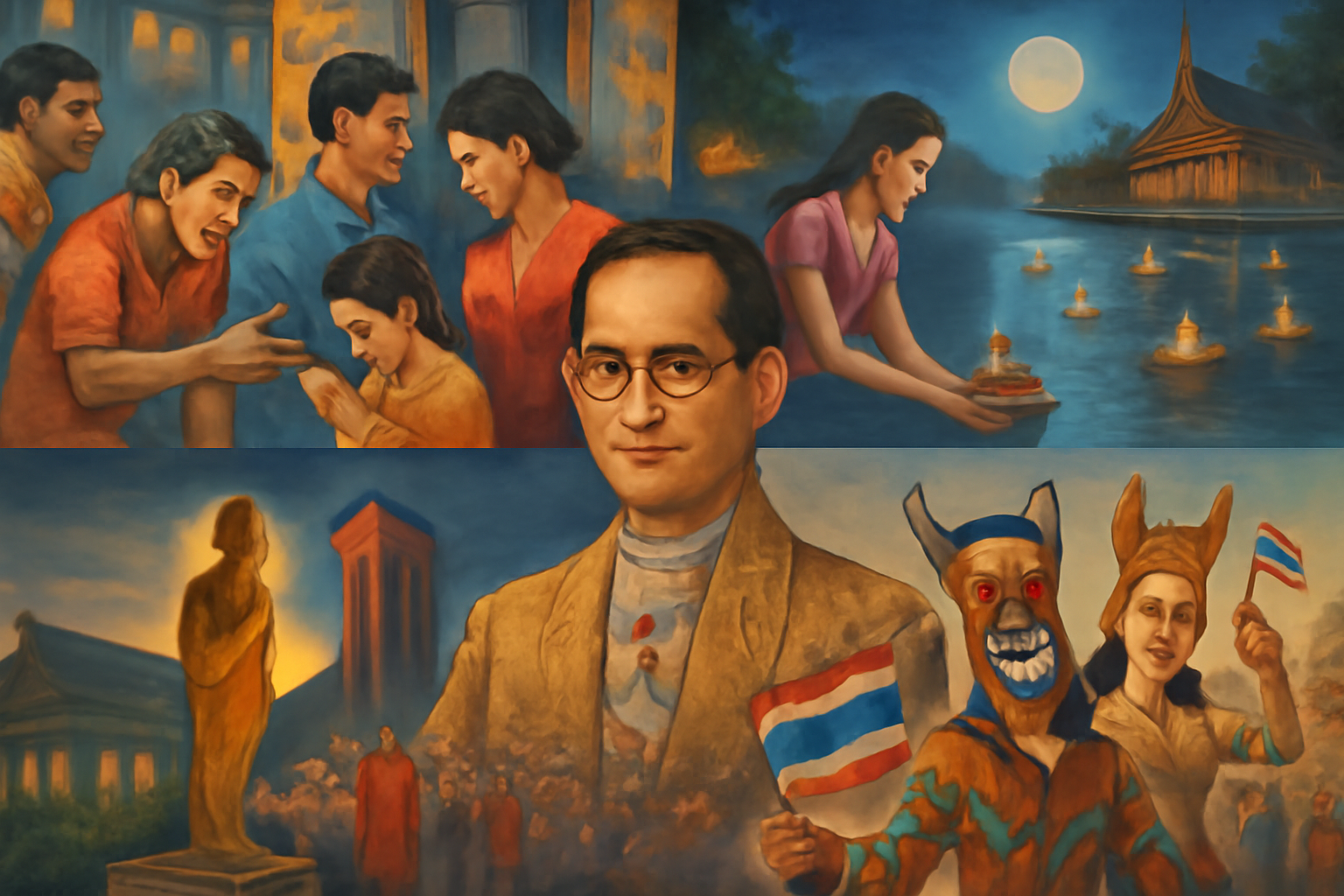
Loy Krathong, which takes place on the full moon of the 12th month in the Thai lunar calendar (usually November), is a festival centered around the release of krathongs, small boats made from banana leaves and decorated with candles, incense, and flowers. The act of releasing the krathongs into rivers symbolizes letting go of past misfortunes and seeking blessings for the future. The beautiful sight of thousands of floating krathongs creates a serene and reflective atmosphere across the country.
For Buddhists, Visakha Bucha Day is one of the most important religious observances. Celebrated on the full moon in May, this day marks the birth, enlightenment, and death of Lord Buddha. Thais observe the day by visiting temples, meditating, making offerings, and participating in candlelight processions. Visakha Bucha is a time for spiritual reflection, deepening one’s commitment to the Buddhist teachings of compassion, mindfulness, and peace.
In the northeastern province of Loei, the Phi Ta Khon festival, also known as the Ghost Festival, takes place with an explosion of color and energy. Participants dress in vibrant ghost masks and traditional costumes and parade through the streets to honor the spirits of ancestors who are believed to return to the living during this time. The festival is a mixture of humor, folklore, and Buddhist beliefs, and it stands out as one of Thailand’s most lively and unusual celebrations.
King Bhumibol’s Birthday, celebrated on December 5th, is a day of national pride and respect. The Thai people honor the late King Bhumibol Adulyadej, who was beloved for his role in the country’s development. On this day, Thais gather for ceremonies, royal tributes, and cultural events to remember the king’s extraordinary legacy and to express their gratitude for his leadership.
These festivals highlight Thailand’s rich cultural diversity and the country’s deep spiritual connections. Each one offers an unforgettable experience, providing insight into Thailand’s traditions and helping visitors connect with the essence of Thai culture.