





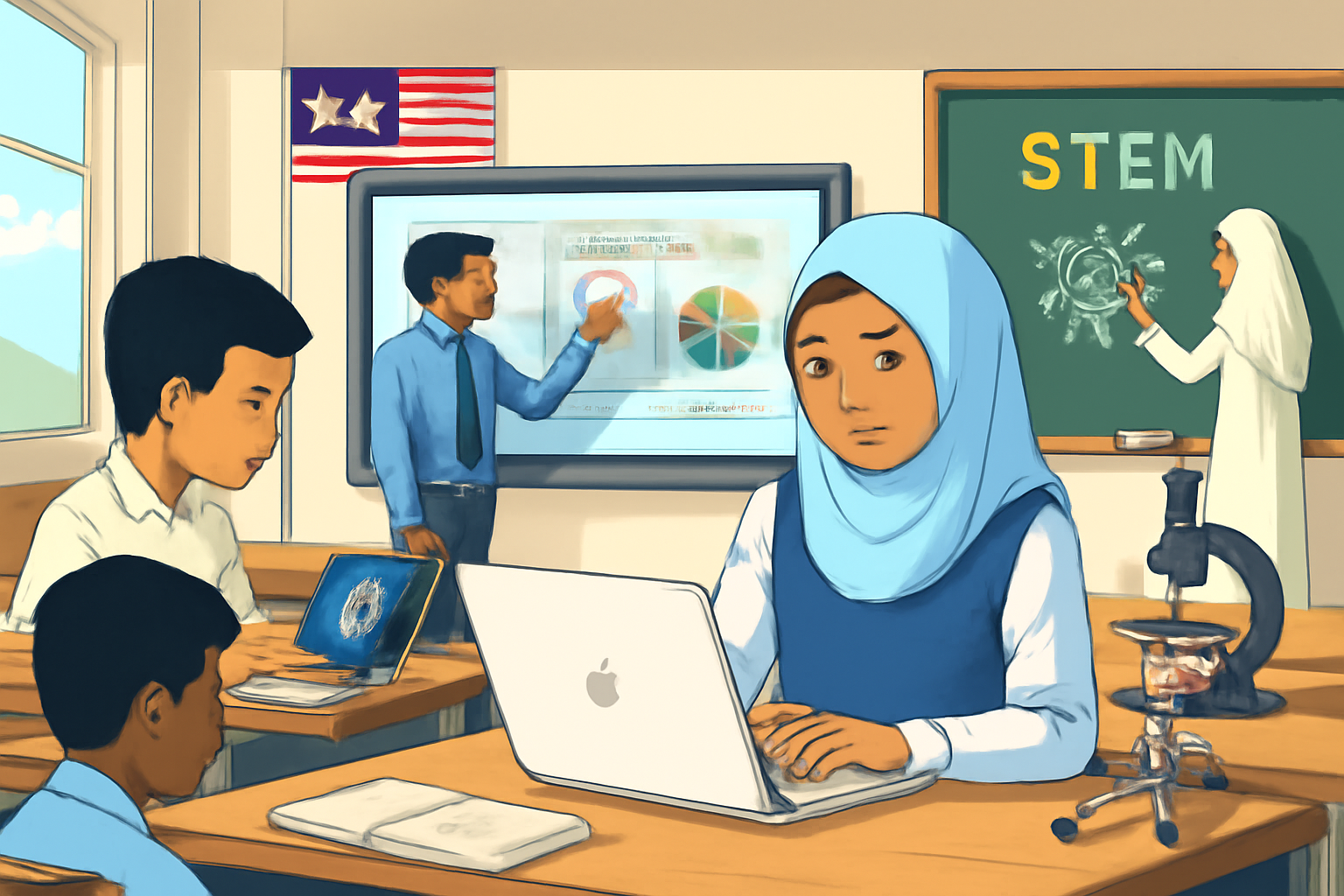
Malaysia is undergoing a transformation in its education system, with an increasing emphasis on technology and innovation to enhance the quality of learning. As the country adapts to the challenges of the 21st century, these efforts aim to prepare students with the skills necessary for success in a digital and globally interconnected world.
The Structure of Malaysia’s Education System
The Malaysian education system includes four key stages: preschool education, primary education, secondary education, and higher education. Primary education is compulsory, free, and designed to provide a foundation in subjects such as mathematics, science, languages, and moral education. Secondary education follows, leading to the Malaysian Certificate of Education (SPM), which is used to assess students’ knowledge and readiness for tertiary education or the workforce.
Embracing Technological Innovation
Technological integration has been at the forefront of Malaysia’s educational reforms. With initiatives like 1BestariNet, the government aims to provide internet access to every school, which facilitates the use of e-learning platforms, online resources, and digital textbooks. In addition, the Smart Schools program integrates interactive whiteboards and other digital tools into classrooms to foster a more engaging and interactive learning environment for students.
STEM Education: Preparing for the Future
STEM education is a key focus in Malaysia’s effort to prepare students for the demands of the modern economy. The government has worked to expand access to STEM education at all levels of schooling, from primary to tertiary, to equip students with the skills needed for the future workforce. By incorporating STEM disciplines into the curriculum, Malaysia aims to develop a generation of students who are ready to contribute to the nation’s growth in science, technology, and innovation.
Addressing Educational Inequality
While progress has been made in improving education quality, challenges remain, particularly with respect to inequality in access to resources. Rural schools in Malaysia continue to face challenges related to infrastructure, such as inconsistent internet access and a lack of technological resources. These disparities highlight the need for targeted efforts to ensure that all students, regardless of location, can benefit from the digital learning revolution.
Conclusion
Malaysia is investing in the future of its education system by incorporating technological innovations and focusing on STEM education to prepare students for success in the modern world. While challenges persist, Malaysia’s ongoing commitment to improving educational access, quality, and equity is helping to create a more inclusive, innovative, and competitive education system for the next generation.